
Understanding the Mini Split System
As the demand for efficient heating and cooling systems grows, mini split air conditioners have emerged as a popular choice for homeowners and businesses alike. These ductless systems offer a compact, versatile solution for temperature control, providing a range of benefits that make them particularly appealing in today's market. When exploring options, mini split systems stand out due to their energy efficiency, quiet operation, and flexible installation configurations.
What is a Mini Split Air Conditioner?
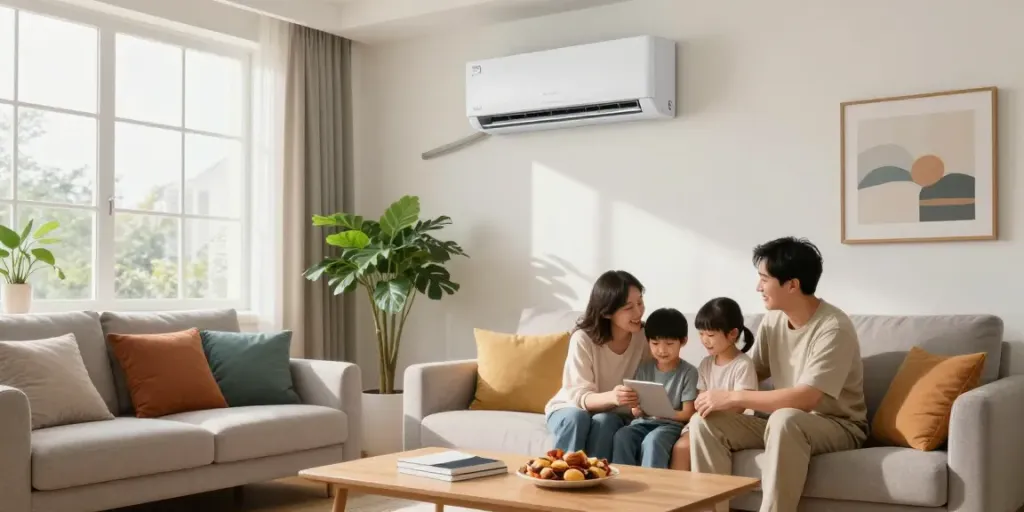
A mini split air conditioner, also known as a ductless mini split, is an HVAC system designed to provide heating and cooling without the need for extensive ductwork. This system consists of two main components: an indoor unit that distributes air and an outdoor unit that houses the compressor. The two units are connected by refrigerant lines, which allow for optimal temperature control across varying spaces.
How Mini Splits Work: Efficiency Explained
Mini split systems operate on a relatively simple principle. The indoor unit absorbs heat from the air in the room and transfers it to the outdoor unit, effectively cooling the indoor space. In heating mode, the process is reversed. This dual functionality, combined with the absence of duct losses that are common in traditional HVAC systems, allows mini splits to achieve higher energy efficiency ratings. Many models have SEER (Seasonal Energy Efficiency Ratio) ratings above 20, making them economically viable in the long run.
Variations of Mini Split Systems Explained
There are various types of mini split systems available in the market to cater to different needs. The three primary configurations include:
- Single Zone Systems: Ideal for heating or cooling a single room or small area. These systems are cost-effective for smaller spaces.
- Multi-Zone Systems: Suitable for larger homes or buildings, these systems can power multiple indoor units with one outdoor compressor unit, offering tailored temperature control for different spaces.
- Hyper Heat Systems: These are specialized mini splits designed to operate efficiently in extremely cold weather, providing reliable heating even in harsh climates.
Benefits of Choosing Mini Split Technology
Energy Efficiency and Cost Savings Over Time
The energy efficiency of mini split systems translates directly into cost savings on energy bills. With an ability to target specific areas for heating and cooling, these systems reduce unnecessary energy expenditure. Homeowners can save up to 30% on energy costs compared to traditional HVAC systems. Furthermore, many mini splits come equipped with inverter-driven compressors that adjust the speed of operation to maintain desired temperatures, further improving efficiency.
Quiet Operation: Enhancing Home Comfort
Unlike traditional HVAC systems that can produce significant noise, mini split air conditioners are known for their whisper-quiet operation. Indoor units are designed to operate at low decibel levels, ensuring that your home remains a peaceful sanctuary. This feature makes mini splits particularly beneficial for bedrooms, offices, or any space where tranquility is a priority.
Flexible Installation Options for Any Space
One of the most attractive features of mini split systems is their flexibility in installation. They can be mounted on walls, ceilings, or even free-standing, and the compact design allows for installation in areas that are usually inaccessible to traditional HVAC units. This versatility makes mini splits an excellent choice for a wide variety of applications, from residential homes to commercial settings.
Common Challenges and Misconceptions
Addressing Common Misconceptions About Mini Splits
Despite their many advantages, misconceptions about mini split air conditioners can deter potential buyers. Some common myths include:
- High Installation Costs: While the initial cost may be higher than traditional systems, the long-term savings in energy costs can outweigh this initial investment.
- Unsuitable for Large Homes: Multi-zone systems effectively address this concern, allowing larger homes to be uniformly conditioned.
- Limited Lifespan: Mini splits are durable, often lasting 10-15 years or more with proper maintenance.
Installation Challenges and Solutions
Installing a mini split can present challenges, particularly for those attempting a DIY approach. It requires careful planning, including consideration for placement, electrical needs, and refrigerant line installation. Engaging a licensed HVAC professional can eliminate these issues, ensuring that your system operates efficiently and effectively from the outset.
Maintenance Tips for Longevity
Maintaining a mini split system involves routine cleaning of filters, checking for refrigerant leaks, and ensuring that both indoor and outdoor units remain unobstructed. Regular professional maintenance is essential to prolong the lifespan of the system and to keep it operating at peak efficiency.
Real-World Applications and Case Studies
Residential Success Stories: Homeowners' Experiences
Many homeowners report significant satisfaction after switching to mini split systems. For instance, a family in a multi-story home found that their energy costs dropped by nearly 40% after replacing central air conditioning with a multi-zone mini split system, allowing for tailored temperature control throughout the house.
Commercial Applications: Mini Splits in Retail Spaces
In commercial settings, mini splits are increasingly being used in retail spaces that require precise climate control. A case study of a boutique clothing store showed that installing a mini split reduced energy costs by over 25% while maintaining a comfortable atmosphere for customers and employees alike.
Comparative Analysis: Mini Splits vs. Traditional HVAC Systems
When comparing mini splits to traditional HVAC systems, the differences in energy efficiency, installation flexibility, and operational costs are significant. Traditional systems often require extensive ductwork, which can lead to energy losses and increased installation times. Mini splits eliminate these issues, offering a streamlined approach to home climate control.
Future Trends and Innovations in Mini Split Technology
Emerging Features for 2026
The mini split market is expected to see significant advancements by 2026. Emerging features may include improved energy efficiency ratings, enhanced user interfaces, and increased integration with smart home systems. Innovations in refrigerants that are more eco-friendly will likely become standard, aligning with growing environmental concerns.
Smart Technology Integration: The Future of Home Comfort
With the rise of smart home technology, mini split systems are evolving to include features such as Wi-Fi connectivity and smart thermostats. This allows homeowners to control their systems remotely, setting schedules and adjusting temperatures from anywhere, which enhances both convenience and energy efficiency.
Predictions for the HVAC Market and Consumer Preferences
As consumer preferences shift towards energy-efficient and environmentally friendly products, the mini split market is poised for growth. Increased awareness of climate change and the need for reduced energy consumption will drive demand for these systems, making them a staple in future home and commercial builds.
What are the advantages of mini split systems?
Mini split systems offer numerous advantages, including energy efficiency, quiet operation, flexible installation, and targeted comfort control. They can significantly lower energy costs while offering reliable heating and cooling solutions for both residential and commercial applications.
How much does it cost to install a mini split?
The cost of installing a mini split system varies widely based on factors such as the number of zones, unit size, and installation complexity. On average, homeowners can expect to invest between $3,000 and $5,000 for a multi-zone system, though the energy savings over time can offset this initial expenditure.
Are mini splits suitable for large homes?
Yes, mini splits can effectively serve large homes through multi-zone systems, which allow for customized temperature control in multiple areas. This flexibility makes them an ideal solution for larger spaces where centralized air conditioning may not be practical.
Do mini splits require regular maintenance?
Like all HVAC systems, mini splits require regular maintenance to ensure optimal performance. This includes cleaning filters, checking refrigerant levels, and scheduling professional inspections to identify and resolve any potential issues early.
How do mini splits compare to central air conditioning?
Mini splits provide distinct advantages over central air conditioning, including improved energy efficiency, flexible installation options, and reduced operational noise. Furthermore, their ductless design eliminates the energy losses associated with traditional ductwork, making them a more sustainable choice for temperature regulation.