
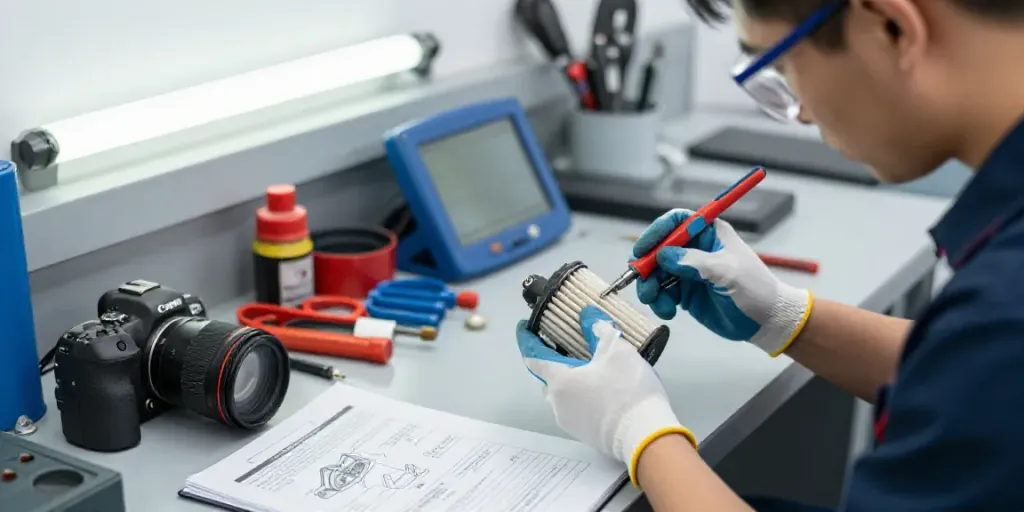
Understanding DPF and Its Importance
Diesel Particulate Filters (DPFs) have become essential components in modern diesel engines, designed to reduce harmful emissions and ensure compliance with strict environmental regulations. As technology and regulations evolve, understanding the function and maintenance of a DPF becomes crucial not only for vehicle performance but also for environmental sustainability. Proper care and dpf reinigen are vital to prevent issues that can lead to engine inefficiency, increased fuel consumption, and even costly repairs.
What is a Diesel Particulate Filter (DPF)?
A Diesel Particulate Filter (DPF) is a component of the exhaust system in diesel engines. Its primary function is to capture and remove particulate matter (soot) produced during the combustion process. This process helps to significantly reduce the amount of black smoke emitted into the atmosphere, contributing to cleaner air and compliance with emission standards. DPFs are constructed from materials such as cordierite or silicon carbide, which can withstand high temperatures and filter out fine particulates.
Common Issues Associated with DPF Failure
Despite their benefits, DPFs can encounter several issues that may affect their performance, such as:
- Blockages: Over time, soot can accumulate, leading to blockages that restrict exhaust flow.
- Failure to Regenerate: DPFs rely on a process called regeneration to burn off the accumulated soot. If this process fails, the DPF can become clogged.
- Poor Quality Fuel: Using low-quality diesel fuel can increase soot production, leading to more frequent cleaning requirements.
The Role of DPF Reinigen in Vehicle Maintenance
Regular cleaning or DPF reinigen is necessary to ensure the filter operates effectively. Failing to maintain the DPF can cause reduced engine performance, increased fuel consumption, and potentially complete engine failure. Understanding the importance of regular DPF cleaning reinforces the need for vehicle owners to be proactive about their engine maintenance.
Methods for DPF Cleaning
Professional DPF Cleaning Techniques
Professional DPF cleaning services employ specialized equipment and techniques to restore DPF functionality. These methods often include:
- Chemical Cleaning: This involves the use of solvents and other chemicals to dissolve soot and contaminants without damaging the filter.
- Hydrostatic Cleaning: Water is used under high pressure to wash away soot and ash from the filter.
- Thermal Cleaning: This method uses extreme heat to burn off soot trapped in the DPF, but it must be carefully controlled to prevent filter damage.
DIY DPF Reinigen: Risks and Considerations
While some vehicle owners may consider DIY methods for cleaning their DPF, this approach can be risky. Improper cleaning can lead to permanent damage to the filter, void warranties, and create additional repairs. Moreover, many DIY methods may not adequately remove all soot and ash, potentially leading to further blockages.
Comparing Mechanical vs. Chemical Cleaning Methods
When selecting a cleaning method, it’s essential to understand the differences between mechanical and chemical approaches:
- Mechanical Cleaning: This approach often involves physical techniques such as blowing compressed air through the filter or using a sonic cleaner. While effective, it may not remove all ash content.
- Chemical Cleaning: Chemical cleaners can dissolve soot and ash, making them more effective for thorough cleaning. However, they require careful application to avoid damage to the DPF material.
Signs Your DPF Needs Cleaning
Symptoms of DPF Blockage in Diesel Vehicles
Recognizing the signs of a blocked DPF can help prevent further damage to your vehicle. Common symptoms include:
- Increased Exhaust Smoke: A noticeable increase in exhaust smoke can indicate that the DPF is clogged.
- Engine Warning Lights: Check engine lights or DPF warning indicators can alert you to potential blockages.
- Loss of Power: A reduction in engine power and acceleration can signal DPF issues.
Monitoring DPF Performance Metrics
Keeping an eye on certain metrics can help you gauge your DPF's condition:
- DPF Pressure: Monitoring inlet and outlet pressure can indicate blockages.
- Temperature Readings: Abnormal temperature readings can signal issues with the regeneration process.
Diagnostic Tools for DPF Issues
Modern vehicles often come equipped with diagnostic systems that can detect and report DPF issues. Using OBD-II readers can help identify fault codes related to the DPF, enabling timely intervention before problems escalate.
Best Practices for DPF Maintenance
Regular Maintenance Tips for DPF Longevity
To extend the lifespan and efficiency of your DPF, adhere to the following maintenance tips:
- Regular Driving Patterns: Engage in longer drives that allow the engine to reach optimal temperatures, aiding in the regeneration process.
- Quality Fuel: Utilize high-quality diesel fuel to reduce soot production.
- Scheduled Inspections: Regular checks by a qualified mechanic can help identify potential DPF issues early on.
Fuel Quality and Its Impact on DPF Health
The quality of the diesel fuel you use plays a significant role in DPF health. Low-quality fuels may contain higher levels of impurities that lead to increased soot formation and more frequent cleaning requirements. Opting for fuel with cleaner additives can significantly enhance the efficiency of the DPF.
Understanding Regeneration Cycles
The DPF requires a specific regeneration cycle to burn off accumulated soot. Understanding how to initiate passive and active regeneration—not just relying on the vehicle’s automatic systems—can help maintain DPF functionality. Active regeneration engages when the DPF reaches a certain temperature and pressure level, while passive regeneration occurs naturally during highway driving conditions.
Future Trends in DPF Technology
Innovations in DPF Cleaning Technologies
The future of DPF technology appears promising with innovations on the horizon. Advances in cleaning technologies, such as ultrasonic cleaning and enhanced chemical formulations, will likely improve DPF maintenance and efficiency. Additionally, integration with vehicle diagnostics can offer real-time feedback, making maintenance more proactive.
Predictions for DPF Systems in 2026 and Beyond
As regulations tighten, the evolution of DPF technology will likely reflect a move towards more efficient filtration systems. Future DPFs may incorporate smart sensors and networking capabilities to optimize performance and maintenance schedules, ensuring compliance with ever-stricter emission standards.
The Environmental Impact of DPF Technology
DPF systems play an essential role in reducing the environmental impact of diesel engines by limiting the discharge of harmful particulate matter. Continuous improvements in DPF technology can further enhance these benefits, contributing to cleaner air and a healthier planet.
How to Maintain Your DPF for Peak Performance?
Maintaining peak DPF performance involves regular cleaning, monitoring, and adhering to best practices. It is vital to stay informed about your vehicle's specific needs and respond promptly to warning indicators to avoid costly repairs.
What Are the Costs Associated with DPF Cleaning?
The costs of DPF cleaning can vary widely based on the method used, the severity of the blockage, and the vehicle type. On average, professional cleaning can range from $100 to $300, whereas DIY methods could be more cost-effective but carry risks of improper cleaning.
Is DPF Cleaning Necessary for All Diesel Vehicles?
Most diesel vehicles will benefit from regular DPF cleaning to maintain efficiency and performance. However, various factors, including the driving conditions, fuel quality, and specific vehicle design, will dictate the frequency of cleaning needed.
Can I Clean My DPF Filter at Home?
While it is possible to attempt home cleaning of DPFs using certain chemical cleaners, it is generally recommended to seek professional assistance. The risks of damaging the filter or not performing a thorough clean typically outweigh the potential cost savings.
How to Identify Quality DPF Cleaning Services?
When searching for a reputable DPF cleaning service, consider the following factors:
- Certifications: Look for services that are certified to ensure they meet industry standards.
- Customer Reviews: Check reviews and testimonials to gauge past performance and customer satisfaction.
- Service Guarantee: A reliable service will often provide guarantees on their work, offering peace of mind.
How Do I Manually Start DPF Regeneration?
To manually initiate DPF regeneration, refer to your vehicle's manual as procedures can vary by manufacturer. Typically, driving at higher speeds for an extended period can trigger automatic regeneration. Some vehicles may also have a manual regeneration function available through the OBD system.