
The Evolution of Tutu Styles: Trends for 2026
The world of dancewear is ever-evolving, with the tutu remaining a staple among dancers of all ages. As the industry progresses into 2026, understanding how tutu styles have transformed over the years is crucial for dance instructors, shop owners, and performers alike. With a careful blend of classic aesthetics and contemporary innovations, today’s tutus serve not only as functional dancewear but also as an expression of personal style. When exploring options, tutu store provides comprehensive insights into the latest designs and trends.
Classic vs. Contemporary: Understanding Tutu Design
Traditionally, tutus have been crafted from layers of tulle that create a full silhouette, catering to the classic ballet movements. However, contemporary designs are breaking away from these norms, incorporating varied materials, lengths, and styles. The classic bell-shaped tutu is being complemented by romantic styles that flow elegantly with the dancer's movements. Innovations in design are also evident in the use of asymmetric cuts, which add an element of modernity while maintaining the grace associated with traditional tutus.
How Tutu Fabrics Influence Performance and Comfort
The fabric choice in tutu construction is paramount. Synthetic blends provide durability while allowing for breathability, crucial for long rehearsals or performances. In recent years, there has been a shift towards eco-friendly materials, aligning with the growing demand for sustainable fashion within the dancewear industry. Understanding the relationship between fabric and performance can help dancers select the most suitable tutus tailored to their needs, ensuring both comfort and style.
Color Stories: Choosing the Right Palette for Your Dancer
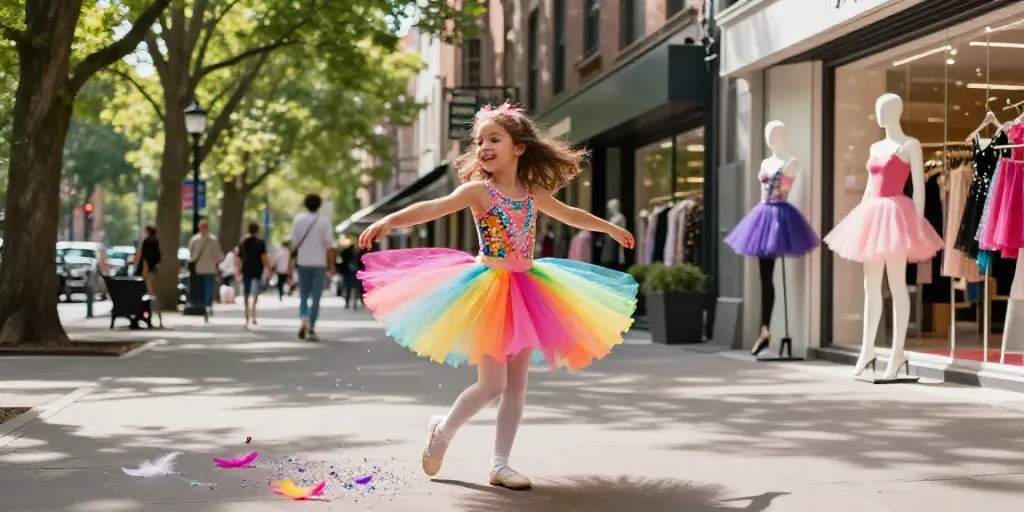
Color plays a significant role in dancewear, influencing not just aesthetics but also the emotional impact of performances. The trends for 2026 highlight a palette that embraces both bold hues and soft pastels. Dancers are encouraged to explore colors that resonate with their performances, conveying narratives through their attire. For instance, vibrant colors can energize a dance, while muted tones might be better suited for lyrical or contemporary pieces.
Building a Tutu Store Brand: Strategies for Success
For entrepreneurs exploring the tutu market, creating a strong brand identity is essential. A well-defined brand will resonate with customers, enabling a tutu store to become their go-to choice for dancewear. Elements of branding, such as a recognizable logo, a cohesive color scheme, and a clear mission statement, are critical in distinguishing your store from the competition. This foundation sets the stage for all marketing and customer engagement efforts.
Creating a Cohesive Brand Identity
A cohesive brand identity begins with understanding the target audience. Whether catering to professional dancers or young beginners, each demographic requires a tailored approach. Factors such as messaging, imagery, and product selections should reflect this understanding. Investing in quality design and branding materials can help communicate professionalism and reliability, enhancing customer trust.
Effective Marketing Techniques for Tutu Stores
Marketing strategies have shifted significantly with the advent of digital media. Utilizing social media platforms for reaching potential customers is paramount. Engaging content, such as tutorial videos on how to select the right tutu or behind-the-scenes looks at the tutu-making process, can foster connection and drive sales. Email marketing also remains a potent tool for promotional campaigns and nurturing customer relationships.
The Role of Social Media in Fashion Retail
Social media serves as a powerful tool in building brand awareness and driving traffic to online stores. Platforms like Instagram and TikTok are particularly effective for showcasing products in action. Dancers wearing your tutus can create compelling visual content that resonates with their followers, enhancing your reach. Additionally, engaging with the community through dances, challenges, and 'tag us' campaigns can encourage user-generated content and foster loyalty.
Customer Experience: Making Your Tutu Store Stand Out
The customer experience is pivotal in the retail environment, especially in niche markets like dancewear. A tutu store should not only focus on selling products but strive to create memorable customer interactions that encourage repeat visits. This can be achieved through personalized service, engaging store layouts, and community involvement.
Creating an Inviting Atmosphere for Customers
Physical stores should be designed to be welcoming and inspiring. Thoughtful layout decisions, such as open spaces for trying on tutus and interactive displays, can significantly enhance customer engagement. Consider hosting pop-up events or workshops to draw in foot traffic and create a lively atmosphere.
Personalizing Customer Interactions
In today’s competitive landscape, personalized service can set a tutu store apart. Staff training to enhance product knowledge and customer engagement techniques can lead to more meaningful interactions. By recognizing returning customers and understanding their preferences, staff can foster loyalty and trust.
Hosting Events to Engage the Dance Community
Community events are a fantastic way to engage with your customer base. Organizing tutu-making workshops, dance demonstrations, or themed events can create a buzz around your store. These gatherings not only serve as marketing opportunities but also help cultivate a sense of community among dancers and their families.
Sustainable Practices in the Tutu Industry
As sustainability becomes increasingly important in global commerce, the tutu industry is responding with eco-friendly practices. Consumers are more conscious about where their clothing comes from, pushing retailers toward sustainable sourcing and production methods.
Choosing Eco-Friendly Materials
Incorporating sustainable materials, such as organic cotton or recycled fabrics, in tutu production can attract environmentally conscious customers. Additionally, transparency about sourcing practices can build trust and loyalty among consumers who prioritize sustainability in their purchasing decisions.
Implementing Sustainable Business Practices
Beyond materials, sustainability can also be reflected in business operations. Reducing waste through efficient inventory management, implementing recycling programs, and minimizing energy consumption in physical stores can further enhance a brand’s sustainability profile. These practices not only appeal to eco-conscious consumers but can also lead to cost savings in the long run.
Educating Customers on Sustainable Fashion Choices
Educating customers about the benefits of choosing sustainable options is integral to fostering a more eco-friendly mindset. Hosting informational sessions, creating content for your website or social media, and providing insights into how sustainable practices impact the environment can empower customers to make informed purchasing decisions.
Future Trends: The Dancewear Industry Beyond 2026
As we look beyond 2026, the dancewear and tutu market are poised for exciting transformations. With advancements in technology and changing consumer behaviors, understanding future trends is essential for success in this dynamic environment.
Predictions for Tutu Design Innovations
Innovations in design technology are likely to lead to more bespoke tutu options, with customizable features that allow dancers to express their individual styles. Expect to see greater integration of smart fabrics that can adapt to different environments, providing both comfort and functional benefits.
Emerging Market Opportunities for Tutu Stores
The rise of online shopping has opened up vast opportunities for tutu stores, allowing them to reach a global audience. Additionally, as dance trends evolve, markets for adult dancewear and specialized tutus for non-traditional dance forms may present lucrative avenues for growth.
Staying Ahead in a Competitive Landscape
In the competitive landscape of dancewear retail, continual market research, consumer feedback, and trend analysis will be vital for businesses to maintain relevance. Engaging with industry influencers and participating in dance expos can also keep brands on the cutting edge of trends and innovations.
What types of tutus are best for different styles of dance?
Choosing the right tutu for various dance styles is crucial. For ballet, traditional tutus are preferred, while contemporary dancers may opt for more fluid styles that allow for graceful movement.
Where can I find high-quality tutus for competitive dancing?
High-quality tutus for competitive dancers can often be found at specialty stores dedicated to dancewear, where expertise in materials and fit can assist in making informed choices.
What should I consider when purchasing a tutu for my child?
When buying a tutu for children, consider their comfort, the type of dance class they are attending, and the tutu's durability, especially if they are just starting.
Are there any special care instructions for tutus?
Caring for tutus usually involves gentle hand washing and air drying to maintain their shape and fabric integrity, avoiding harsh detergents that can cause damage.
How can I personalize a tutu for a special occasion?
Personalizing a tutu can involve adding embellishments such as sequins, ribbons, or custom colors that reflect the dancer's personality and the occasion they are celebrating.