
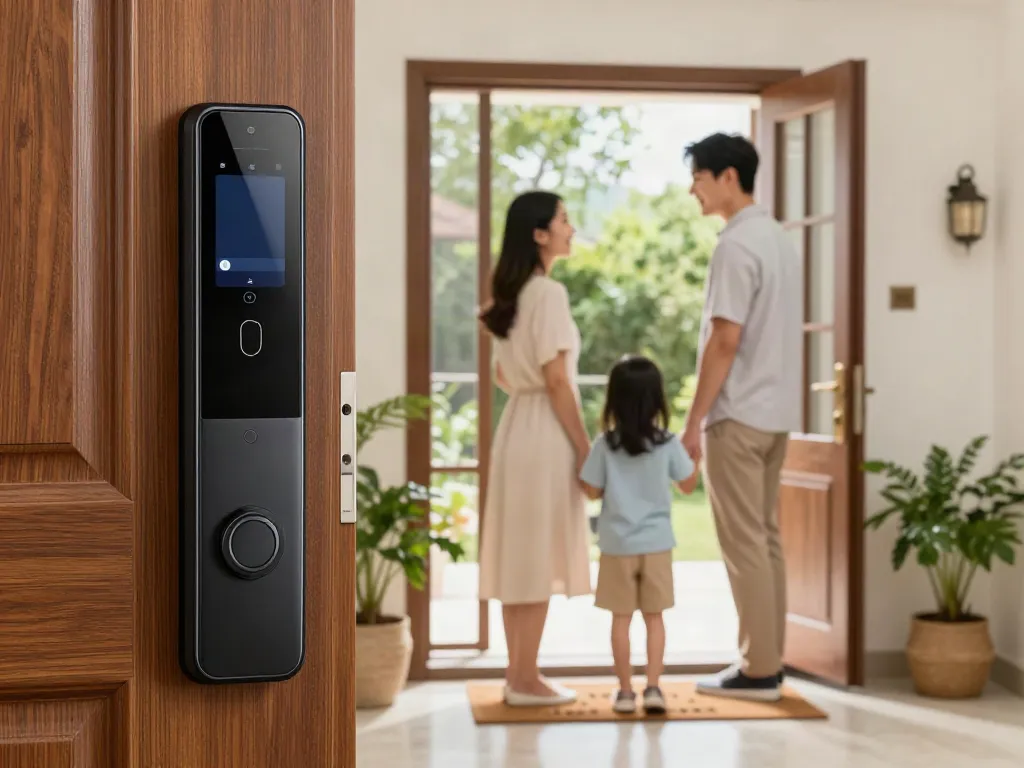
Essential Features of Smart Locks
In today’s world, where security is a priority for homeowners and businesses alike, investing in a smart lock is a practical decision. Smart locks offer a variety of features that enhance security, convenience, and control. Understanding the essential features of these locks will help you choose the best option that fits your needs. When exploring options, خرید قفل هوشمند can provide comprehensive insights into the various models available.
What Makes a Smart Lock Secure?
The security of a smart lock is primarily determined by its methods of authentication and access control. Features such as encryption, biometric sensors, and two-factor authentication significantly enhance security levels. Many smart locks also offer the ability to monitor access in real-time, ensuring that homeowners can see who enters and exits their premises.
Comparing Biometric and Keypad Options
Biometric smart locks use fingerprint recognition to grant access, providing a high level of security without the need for physical keys. Keypad options, however, rely on PIN codes, which can be an effective but potentially less secure method if the codes are shared or guessed. Consumers should consider their lifestyle and security needs when choosing between these options.
Integration with Home Automation Systems
Smart locks can seamlessly integrate with home automation systems, allowing users to control multiple aspects of their home environment from a single app or device. This integration can include syncing with security cameras, alarms, and even smart lighting, which enhances convenience and safety.
Choosing the Right Smart Lock for Your Needs
Before purchasing a smart lock, it is essential to assess your specific needs and preferences. Not all smart locks are created equal; they vary in features, installation requirements, and price ranges. A detailed understanding of your unique security needs will guide your decision-making process.
Assessing Your Security Requirements
Consider the level of security you need based on your lifestyle, property location, and potential threats. If you live in a high-crime area, investing in a smart lock with robust features like biometric access and alarm notifications may be worthwhile. For low-risk environments, simpler models could suffice.
Budget Considerations for Smart Locks
Smart locks come in various price ranges, from budget-friendly models to high-end options with advanced functionalities. It’s vital to establish a budget before shopping, as this will help narrow down choices while ensuring you invest in a model that meets your security needs without breaking the bank.
Compatibility with Existing Door Hardware
It’s also important to consider whether a smart lock will fit your existing door hardware and installation requirements. Some models require specific door types or configurations, while others are more versatile. Always check the specifications and installation guides provided by the manufacturer to ensure compatibility.
Installation and Setup of Smart Locks
The installation of smart locks can vary greatly based on the model and existing door setup. Some locks are designed for easy DIY installation, while others may require professional installation. Understanding these differences can save you time and frustration during the purchasing process.
DIY Installation vs. Professional Help
Many smart locks offer straightforward installation processes that can be completed without professional help. Most come with detailed guides and all necessary tools included. However, for those who are not comfortable with home installation, hiring a professional might be the best option.
Initial Configuration and Settings
After installation, users need to configure their smart locks. This usually involves connecting the lock to a smartphone app and setting up user profiles, access codes, and other personalized settings. This step is crucial for maximizing the lock’s functionalities.
Common Installation Challenges and Solutions
Some common challenges during installation include ensuring the lock aligns properly with the door frame and connecting it to Wi-Fi networks. Most manufacturers offer troubleshooting tips and customer support to assist users in overcoming these initial hurdles.
Maintaining Your Smart Lock
Like any electronic device, regular maintenance is necessary to ensure your smart lock operates efficiently. This includes software updates, battery checks, and troubleshooting issues as they arise.
Regular Updates and Security Patches
Smart locks should be regularly updated to fix security vulnerabilities and improve functionality. Keeping your lock’s software up-to-date is critical in preventing unauthorized access and ensuring optimal performance.
Battery Maintenance and Replacement
Many smart locks are battery-operated, and users should check battery levels periodically to avoid unexpected lockouts. Most smart locks will send alerts when battery levels are low, prompting the user to replace batteries as needed.
How to Troubleshoot Common Issues
Common issues with smart locks include connectivity problems or failure to recognize access codes. Many manufacturers provide troubleshooting guides, and user forums can also be a helpful resource for finding solutions to common problems.
Future Trends in Smart Lock Technology
The smart lock market is evolving rapidly, with advancements in technology leading to enhanced features and improved security measures. Staying informed about these trends can help consumers make educated decisions about future purchases.
Emerging Features to Look Out For in 2026
As technology advances, features such as AI-based threat detection, improved biometrics, and enhanced connectivity options are expected to become standard in smart locks. These innovations will further enhance security and user convenience.
The Role of AI in Home Security
AI is expected to play a significant role in the future of home security, including smart locks. This could involve using machine learning algorithms to predict potential security threats and automatically adjusting lock settings accordingly.
Predictions for Smart Home Integration
The integration of smart locks with broader smart home ecosystems is likely to become more sophisticated, allowing for seamless communication between devices and providing users with more control over their home environments.
What are the main advantages of smart locks?
Smart locks offer numerous advantages, including enhanced security features, convenience of keyless entry, and remote access capabilities. They allow homeowners to monitor their property in real-time and grant access to guests without being physically present.
How do smart locks compare to traditional locks?
Smart locks generally provide a higher level of security compared to traditional locks by employing advanced authentication methods. Unlike traditional locks that can be easily picked or bumped, smart locks often require multiple authentication methods, making unauthorized access more difficult.
Are smart locks easy to install yourself?
Many smart locks are designed for easy installation and come with detailed instructions. However, homeowners who are not comfortable with DIY projects may prefer to hire a professional to ensure proper installation.
What should I look for when buying a smart lock?
When buying a smart lock, consider factors such as security features, compatibility with existing hardware, installation requirements, and budget. Reading customer reviews and consulting with experts can also provide valuable insights for making a decision.
How do I troubleshoot my smart lock?
If you encounter issues with your smart lock, start by checking the user manual for troubleshooting tips. Additionally, many manufacturers have online support resources and customer service teams ready to assist users with common problems.